🏚️The Unhoused in America
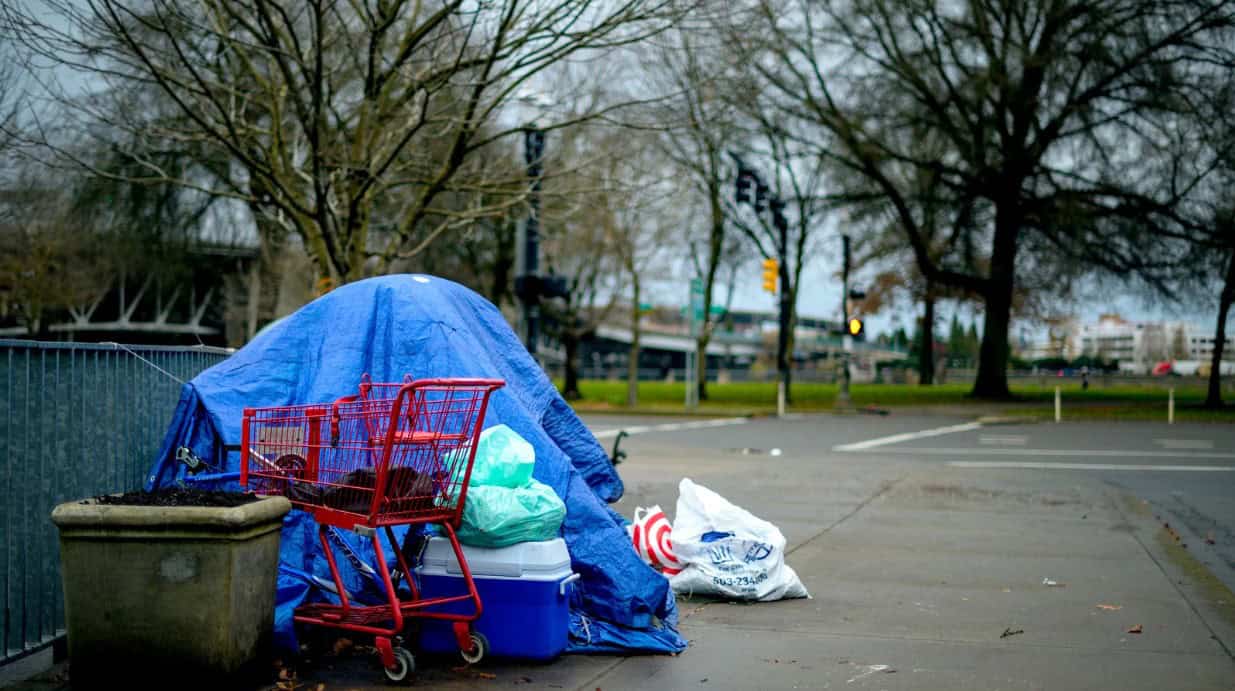
The “Working Homeless” Crisis. A new CNN report highlights what researchers call the “shadow realm” of homelessness — people who work full time but still cannot afford stable housing. In many communities, a low-wage job is described as “homelessness waiting to happen,” where even minor setbacks like car trouble, childcare disruptions, or a brief illness can push someone over the edge.
Unsheltered Homelessness Nearly Tripled in Some States. In Connecticut alone, unsheltered homelessness nearly tripled over five years, from 294 individuals in 2022 to 833 in 2025 — a 183% increase. Researchers warn this number could triple again if proposed federal funding cuts to permanent supportive housing are passed, threatening housing for 6,000 current residents.
Affordability is the Root Cause. Nationally, fewer than 1 in 4 eligible households receive HUD rental subsidies, while tens of thousands of households face wait times often stretching more than five years. Even a temporary financial shock — a medical bill, reduced work hours, or childcare disruption — can push people into homelessness.
HUD Shifts Its Homelessness Approach. On March 10, 2026, HUD appealed a judicial decision related to shifting its homelessness paradigm, signaling the administration’s push to redirect policy away from housing-first approaches. HUD. This follows earlier changes to the Continuum of Care funding process that alarmed advocates nationwide.
New York City’s Unsheltered Population Growing. New York City’s spending on street homeless programs has more than tripled from $102 million in FY2019 to $368 million in FY2025, and is expected to reach $456 million in FY2026 — yet the unsheltered population continues to grow.
State-Level Failures In Oregon, lawmakers declined to restore any of the $129 million cut from eviction prevention and homelessness services during the previous legislative session — even as evictions hit record highs in the months following those cuts.